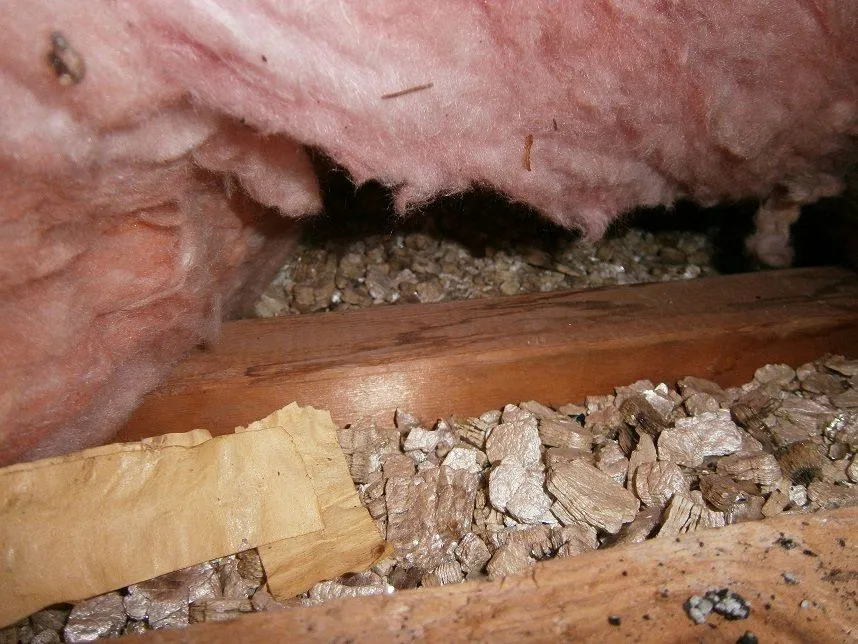
What Is Asbestosis in Vancouver?
 by: VAR
Asbestosis is a lung disease that develops when asbestos fibers cause scarring in your lungs. The scarring restricts your breathing and interferes with the ability of oxygen to enter your bloodstream. Breathing high levels of asbestos fibers for a long time may result in scar-like tissue in the lungs and in the pleural membrane (lining) that surrounds the lung.

Asbestos Exposure Health Risk Symptoms
by: VARIt is known that breathing asbestos can increase the risk of cancer in people. People working in industries that make or use asbestos products or who are involved in asbestos mining may be exposed to high levels of asbestos. People living near these industries may also be exposed to high levels of asbestos in the air. Asbestos fibers may be released into the air by the disturbance of asbestos-containing material during product use, demolition work, building or home maintenance, repair, and remodeling.
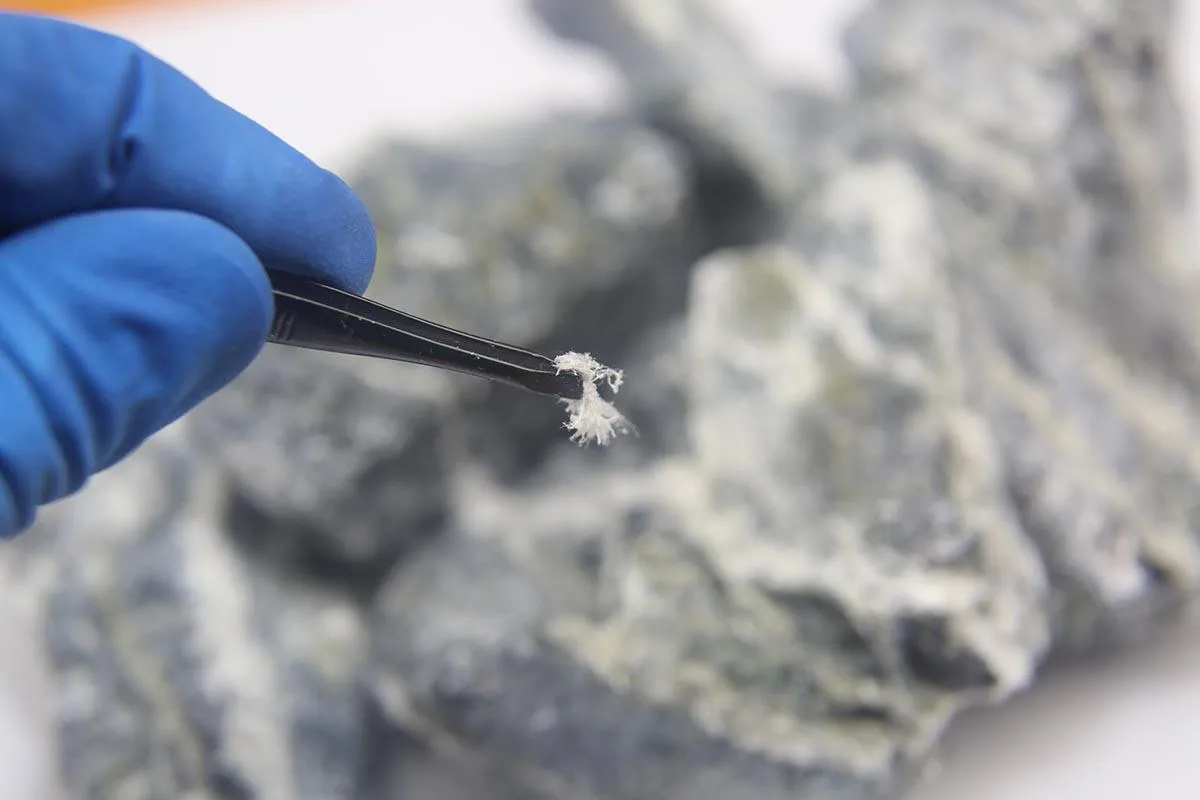
Mesothelioma: Common Disease of Asbestos Exposure
by: VARWe all heard of Asbestos and the horrible consequences it has in our health. Exposure to Asbestos is one of the most popular reasons for having a disease of a lung cancer. Asbestosis is “a form of lung disease (pneumoconiosis)” which causes interstitial fibrosis or scarring of the lungs. People who have exposure to asbestos will probably develop a lung cancer. Most cases take 15 to 20 years to develop after exposure. A long-term inflammation and scarring of the lungs due to asbestos are called Asbestosis. Asbestosis is caused by breathing in asbestos fibers. Symptoms may include shortness of breath, cough, wheezing, and chest pain. Complications may include lung cancer, mesothelioma, and pulmonary heart disease.
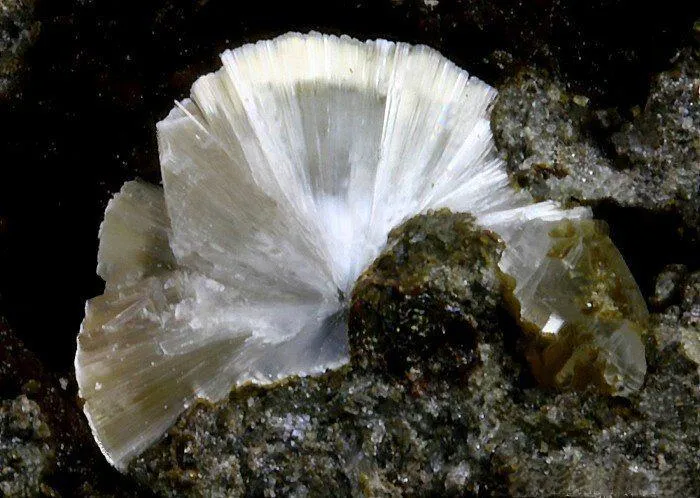
Safe Removal of Asbestos-Containing Materials
by: VARAsbestos is a naturally occurring fiber with several beneficial characteristics which made it very popular. Asbestos fibers are very malleable, and therefore very easy to incorporate into various products. In addition, the material is naturally a great insulator, resistant to fire and chemical erosion, and is very strong. It’s because of these characteristics that asbestos was known as the “magic mineral” and added into so many building supplies. Asbestos is commonly found in ultramafic rock, including serpentine, and near fault zones. The amount of asbestos that is typically present in these rocks can be usually less than 1.